23 October 2026
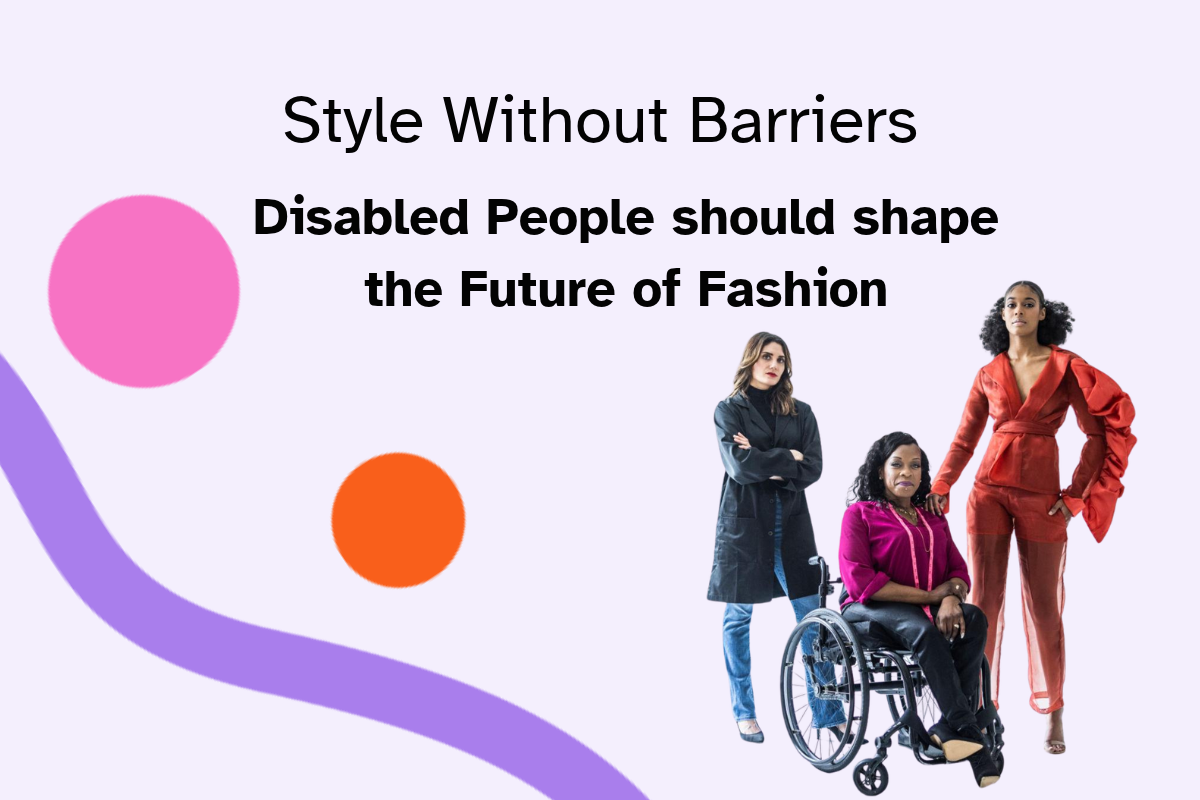
Style Without Barriers: Disabled People should shape the Future of Fashion
← Back
Written by Kaye Moors
Fashion is a form of self-expression, reflecting our personality, creativity and identity. But for many disabled people, finding clothes that look good, feel comfortable and work with their bodies can be unnecessarily difficult. Fastenings may be hard to reach, fabrics can cause sensory discomfort, and garments designed for standing bodies may not fit properly when seated.
So, what would happen if disabled people helped design fashion from the very beginning, rather than being asked to comment on a finished product?
This was the central question explored in the Tilting the Lens webinar What If Disabled People Designed Fashion Systems? The discussion highlighted an important message: if fashion brands want to create clothing that works for more people, disabled people need to be involved at every stage, from design and pattern-making to manufacturing and testing.
At Never Grey, we believe accessibility should never mean sacrificing style and indeed to starts with rethinking how fashion is designed, made and sold.
Not One Size Fits All
One of the biggest mistakes a fashion brand can make is treating disabled people as a single group with identical needs. A design feature that helps one person may cause discomfort for another. During the webinar, designer Sinéad O’Dwyer described how a pair of tights caused significant pain for one model with a spinal cord disability but helped another model experiencing nerve pain. Disability is not a single design brief, garment tension and compression can affect people differently, demonstrating why there is no single solution for everyone.
The same applies to fit. A wheelchair user may benefit from jeans with a higher rise and longer leg when seated, while someone with sensory sensitivities might find thicker denim uncomfortable. Standard hip or back pockets for wheelchair users are impractical but place them on the front of the thighs and it’s a game changer.
Inclusive design means recognising difference
Brands can offer meaningful choice by listening and by doing this they may establish ongoing co-design partnerships. Diverse fitting panels and advisory groups that involve disabled people can form an inclusive approach to the entire development process. Collaboration should start before the first sample. Too often, accessibility is considered only after a garment has been designed. By then, patterns, fabrics and production decisions may already be fixed, making changes more difficult.
Involving disabled people from the outset allows brands to ask better questions.
Can the wearer manage the fastenings independently?
Will the garment remain comfortable when sitting?
Could the fabric cause overheating or sensory distress?
Is it practical for someone with limited dexterity or mobility?
These questions should shape the original design brief, rather than become a last-minute checklist. Ultimately this saves time and money and creates better products.
Designing for real bodies
Fashion sizing and pattern-making have traditionally relied on assumptions about body proportions and movement, though few people fit standard shapes. Between 1997 and 2000 national retailer Marks and Spencer surveyed 12,000 body measurements as the standard clothing size charts used in the UK were completely outdated and failing to fit the modern consumer. Using a combination of manual measurements and early 3D body-shaping data to capture actual body dimensions this sizing project formed the foundation for M&S's very first national television and press advertising campaign and lead to SizeUK, a national body-scanning survey in 2001, which M&S and other high-street retailers later co-funded.
So we know that simply making a standard pattern larger or smaller will not necessarily accommodate different bodies.
Alternative zip placements, adjustable sleeves, different rises and changes to garment construction can make clothing more accessible. For example, a side zip may be easier for some people to reach than one positioned at the back, while people with dwarfism may need adjustments beyond simply shortening a standard garment.
Testing garments on people with different body shapes and needs helps brands understand what works in practice. It also opens up creative possibilities, encouraging designers to explore new silhouettes, construction methods and solutions.
Adaptive features do not have to compromise aesthetics. With thoughtful design, functionality and style can work together.
Fashion inclusion goes beyond just clothes
Even an accessible garment can be difficult to buy if the shopping experience excludes its intended customers.
As online shopping grows, and with around third of online sales coming from the fashion industry, inclusive design doesn’t stop at manufacturing. Online retailers must provide clear product descriptions, accessible websites and photographs or videos showing how clothing fits and moves on different bodies, including wheelchair users. Physical stores need to consider accessible changing rooms and sufficient space for movement of mobility aids around the clothes displays and delivery and returns processes matter too with ‘teeth free’ packaging and collections for returns.
The webinar panel acknowledged that the fast pace of seasonal fashion can make more considered approaches challenging. However, producing clothing quickly is of little benefit if the finished garments exclude the people who want to wear them.
Brands should start by identifying where existing processes create barriers, involving disabled collaborators in testing and building improvements into future collections.
Thank you Tilting the Lens for this interesting webinar and for highlighting disabled people should not simply be asked whether a finished garment works for them. They should have a meaningful role in deciding what gets designed, how it is made, how it is tested and how it reaches the customer. That is how fashion moves from making occasional adaptive products to building a more inclusive fashion system.
We hope to see more of this in the future as more high street brands bring out adaptive fashion ranges.
Watch the webinar on You Tube: https://www.youtube.com/watch?v=osjL2ZVqpfc
Please note: Never Grey are not responsible for content found on third party websites